
- Health Conditions A-Z
- Health & Wellness
- Nutrition
- Fitness
- Health News
- Ayurveda
- Videos
- Medicine A-Z
- Parenting
Longevity Diets: What to Eat to Live Past 100
Credits: Canva
Living a long and a healthy life is a cherished goal for many. Dan Buettner, who first discovered the blue zones, where people live the longest lives, recognised that one of the main factors of not just a long life, but a healthy one is the diet. There are documentaries too that have explored this topic. A Netflix documentary called Live to 100: Secrets of the Blue Zones, which revealed the lives of Centenarians, those who live 100 years or more. Studies reveal that a shared lifestyle patterns, and dietary habits is what benefits them.
What Are The Blue Zones?
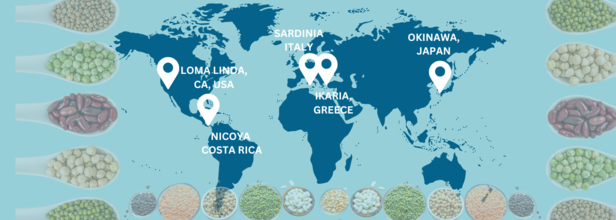
"Blue Zones" include Okinawa, Japan; Ikaria, Greece; Sardinia, Italy; Nicoya Peninsula (Costa Rica); and Loma Linda, California.
It is true that centenarians can be found worldwide, but those in Blue Zones, share a common lifestyle habit. They prioritize in staying active, fostering close community ties, and maintaining a positive attitude. The diet, is something we all can learn and include in our lifestyle too.
"Blue Zones" are geographic areas with lower rates of chronic diseases and longer life expectancy. This is possible because of their diet, fasting, exercise, along with other factors. This term was first used by author Dan Buettner, who studied the areas of the world where people lived exceptionally long lives. He called them the "Blue zones", because when Buettner and his colleagues were searching for these areas, they drew it with a blue circles around them on the map.
The Centenarian Diet:
Legumes: It includes beans, peas, lentils. These are fiber-rich foods, that helps regulate cholesterol and blood sugar levels. It reduces the risk of chronic diseases such as heart disease and cancer. Their plant-based protein content makes them a nutritious and versatile addition to meals.
Olive Oils: A staple in Mediterranean diets, olive oil is prized for its healthy unsaturated fats, which support cholesterol balance. Rich in antioxidants like vitamin E and plant compounds, olive oil reduces inflammation and lowers the risk of chronic illnesses.
Nuts and Seeds: These are packed with unsaturated fats, vitamins, and minerals. The antioxidant content supports heart health and reduces inflammation. Centenarians' diets often include these nutrient-dense foods as snacks or meal components.
Tea: Its antioxidant-rich compounds boost immune, heart, and brain health. Regular tea consumption is linked to improved metabolic and digestive functions.
Seafood: Centenarians tend to eat less red meat and more seafood, particularly fatty fish rich in omega-3 fatty acids. These nutrients combat inflammation and enhance brain, heart, and immune health. The proximity of many Blue Zones to oceans influences this dietary preference.
Whole Wheat: Whole grains, including sourdough bread, are common in centenarian diets. Rich in fiber, B vitamins, and minerals, whole grains lower the risk of cardiovascular diseases and cancer. Sourdough fermentation enhances digestibility and supports stable blood sugar levels.
Sweet Potatoes: They are loaded with fiber, potassium, and vitamins A and C, which bolster immune and heart health. Regular consumption of sweet potatoes supports metabolic balance.
Turmeric: Its active compound, curcumin, is known for its anti-inflammatory properties. Turmeric promotes brain health and reduces the risk of chronic diseases, making it a valuable addition to meals.
Children Who Eat More Ultra-Processed Foods May Have Stronger Brain Responses That Increase Cravings
Credit: AI
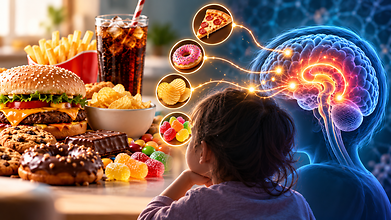
Children who consume more ultra-processed foods may show stronger brain responses that could make them crave those foods repeatedly. This helps explain the link between these foods and childhood weight gain, according to a new study.
The research, published in JAMA Network Open, found that kids who ate more ultra-processed foods had greater activity in a brain region that is involved in reward and motivation when they saw tempting pictures of appetising foods. That brain activity was also associated with increase in body fat over the following year.
The findings raise important questions about how eating highly processed foods frequently may affect a developing brain.
UPFs May Influence A Developing Brain
Also read: Six To Eight Cups Of Tea A Day Linked To Lower Heart Disease Risk: But Should You Drink More?
The study included 46 children aged 7 to 10 who had a healthy weight at the beginning of the research. Scientists collected data about their diets and used functional magnetic resonance imaging (fMRI) to examine brain activity while the children viewed pictures of appetising foods, including cookies and French fries.
The researchers focused on the striatum, a brain region involved in learning, motivation and reward anticipation.
Children who consumed more ultra-processed foods showed stronger responses in the dorsal striatum when viewing food images. Greater activity in this region was also linked with an increase in body mass index (BMI) and body fat percentage one year later.
The researchers found that accounting for differences in brain responses weakened the association between ultra-processed food intake and subsequent increases in BMI by 31% and body fat percentage by 44%. This suggests that brain activity related to reward may help explain part of the relationship.
Senior study author Dr Kathleen A. Page, a professor of medicine and pediatrics at the Keck School of Medicine of the University of Southern California, said, “This study goes beyond just understanding that UPFs affect weight gain. It actually gives us insight into the neurobiological underpinnings by which these foods may be linked to body composition over time.”
Importance Of Childhood Nutrition
Also read: Peanut Consumption Associated With Lower Type 2 Diabetes Risk: Study Explains
Ultra-processed foods include many packaged snacks, sugary cereals, sweetened drinks, instant meals and other similar products. They are often designed to be convenient, appealing, and have a long shelf life.
The researchers say childhood is an important period for understanding how food habits influence eating patterns and long-term health.
“Children’s brains are still developing, habits are still forming and food preferences are still being made. It’s an important period where the brain is very sensitive to food and the food environment,” Page said.
The research had key limitations. It involved only 46 children, assessed brain activity at a single time point and followed changes in body composition for one year. The observational design means researchers cannot determine whether greater ultra-processed food consumption caused the brain responses or whether other factors contributed to both.
Message For Parents
The findings point to existing concerns about children's diets high in ultra-processed foods. Page emphasised the importance of making healthier options more accessible.
“Changing the food environment to help people access healthier, more minimally processed foods is an important part of the solution,” she said.
Families can offer more fruits, vegetables, whole grains, pulses and other minimally processed foods while limiting consumption of sugary drinks and packaged snacks.
Six To Eight Cups Of Tea A Day Linked To Lower Heart Disease Risk: But Should You Drink More?
Credit: AI
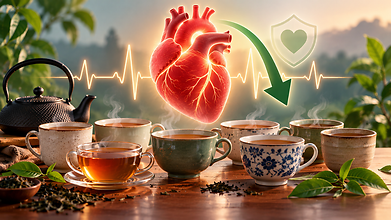
Avid tea drinkers now have a reason to rejoice as drinking tea regularly may be linked with a lower risk of cardiovascular disease. A new study has found that people who drank around six to eight cups a day are at low risk. However, researchers warn that this does not mean everyone should increase their tea consumption.
Published in the Journal of Internal Medicine, the study examined data from 485,934 adults in China, aged 30 to 79. Over an average follow-up of about nine years, researchers identified 14,863 cases of cardiovascular and other vascular diseases, including heart attacks, strokes and peripheral artery disease.
Tea Drinkers At Lower Heart Disease Risk
People who drank tea at least three days a week had an approximately 11% lower risk of developing vascular disease than those who drank it less frequently.
The lowest estimated risk was observed among people who drank around six to eight cups daily. However, risk began to rise again at higher consumption levels.
The findings are based on an observational study. It means that they just show an association rather than proving that tea directly prevents heart disease. It is also important to note that participants reported their own habits of drinking tea, and researchers did not use a standard cup size.
Emergency physician Dr Leana Wen cautioned against interpreting the results and drinking multiple cups of tea as a daily target, according to CNN. She said, "People should not interpret this to mean that everyone should aim to drink six to eight cups of tea daily."
Also read: India Proposes Lower Pesticide Residue Limits In Tea Than US & Japan: What Are The Health Risks?
What Type Of Tea Is The Most Beneficial?
The study mostly found associations between black tea consumption and lower cardiovascular risk across different types of vascular disease. Green tea showed benefits for heart health, according to the study.
Black and green tea come from the same plant, Camellia sinensis, but the leaves are processed differently, resulting in different compositions of polyphenols.
Tea contains polyphenols, including flavonoids, which have antioxidant and anti-inflammatory properties. These compounds may help support blood vessel function. Some research has also linked tea consumption with improvements in blood pressure and cholesterol.
However, researchers cannot rule out other lifestyle factors. People who drink tea regularly may differ from non-drinkers in their diet, physical activity, smoking habits and other aspects of health.
Dr Wen said, “Both can be part of a heart-healthy diet — especially if people take care to drink them without added sugar.”
Also read: Mississippi Student Deaths Put Kratom Under Scrutiny: How Dangerous Is It?
Why You Should Avoid Drinking Tea Scalding Hot
The study also found that people who reported drinking tea at a “burning hot” temperature had a 16% higher risk of vascular disease than those who did not regularly drink tea.
The researchers trusted the participants' descriptions of their preferred drinking temperature, rather than measuring the temperature directly. The finding should therefore be interpreted accordingly.
There is another reason to let tea cool before drinking it. Repeated consumption of very hot beverages has been linked to an increased risk of oesophageal cancer.
Researchers Warn
The study does not prove that drinking more tea will lower an individual's risk of heart disease, and the findings may not apply in the same way to every population.
Additionally, tea also contains caffeine. An eight-ounce cup of black tea typically contains around 30 to 50 milligrams, while green tea generally contains less. Excessive caffeine intake can contribute to sleep problems, anxiety or palpitations. Pregnant people are generally advised to limit caffeine to 200 milligrams a day,.
Drinking unsweetened tea can be part of a daily diet, especially when it replaces sugary drinks. Apart from this, regular physical activity, avoiding smoking, maintaining healthy blood pressure and cholesterol levels, and eating a balanced diet still remain the basic ways to reduce cardiovascular risk.
Raw Oysters Can Look Fresh And Still Make You Sick: Latest Salmonella Outbreak Leaves 27 Sick, 5 Hospitalised
Credit: iStock
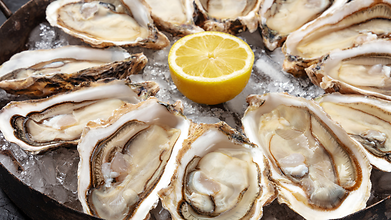
Raw oysters from a single company have been linked to a Salmonella outbreak across multiple states in the US. At least 27 people have been sickened in 12 states and five hospitalised, according to the US Centers for Disease Control and Prevention (CDC). No deaths have been reported so far.
The outbreak has been pinned down to oysters harvested by Little Wicomico Oyster Company from the Little Wicomico River in Virginia. The company voluntarily recalled oysters harvested between September 18 and October 8, 2026. The river was temporarily closed to shellfish harvesting.
Pennsylvania has reported eight infections, becoming the state with the highest number of cases currently, followed by New York with four and Virginia with three. The recalled oysters were distributed to restaurants and retailers in 16 states and Washington, DC, and may have reached other locations.
Oysters That Appear Fresh Can Still Make You Sick
Contaminated shellfish may not always show signs of spoilage. Therefore, the US Food and Drug Administration (FDA) warns - “Food containing Salmonella may look, smell, and taste normal.”
Oysters can become contaminated with harmful bacteria in the environment where they grow. Eating them raw or undercooked means the bacteria may survive and cause infection. Their appearance, smell and taste cannot reliably establish whether they are safe to eat.
The CDC's investigation found that 10 of the 13 people interviewed about their food exposure had eaten raw oysters before becoming ill. Investigators also found that the oysters eaten by several affected people shared a common source, supporting the link to the Virginia harvest area.
Also read: FDA Expands Recall Of Frozen Berries After E. Coli Outbreak Left 17 Sick
Symptoms Of Salmonella Infection
Salmonella infection may cause:
- Diarrhoea
- Fever
- Abdominal cramps
- Nausea and vomiting
Symptoms usually begin within six hours to six days after the bacteria enters your body. Many people recover within four to seven days without treatment, but some may develop severe illness and need medical care.
It can become serious in young children, older adults aged 65 and above and people with weak immune systems. The bacteria can occasionally enter the bloodstream and cause more severe infections.
The CDC has warned that the actual number of infections may be higher than reported because some people recover without seeking medical care or getting tested.
Also read: Daily Vaping In The US Surged 230%; Nearly 50% Of Young Adult Daily Vapers Used High-Nicotine E-Cigarettes: Studies
What Should Consumers Do?
The FDA advises consumers not to eat recalled oysters from Little Wicomico Oyster Company, identified by harvester certification number VA-1421-SP, that were harvested from the Little Wicomico River between September 18 and October 8, 2026.
Restaurants and retailers should not sell or serve these oysters. Consumers who have them should discard them or contact the seller. Any surfaces or containers that came into contact with the recalled shellfish should be cleaned and sanitised to prevent contamination.
Anyone who ate the recalled oysters and develops symptoms should contact a healthcare provider and mention the possible Salmonella exposure. Bloody diarrhoea, a high fever, signs of dehydration, or vomiting that prevents someone from keeping fluids down warrant prompt medical attention.
The investigation is ongoing, and health officials are continuing to trace the source and distribution of the contaminated oysters.
- Follow Us :


© $2026 Times Horizon Private Limited